Evidence First
Standards, exposure notes, and field constraints guide product shortlists before any style preference.
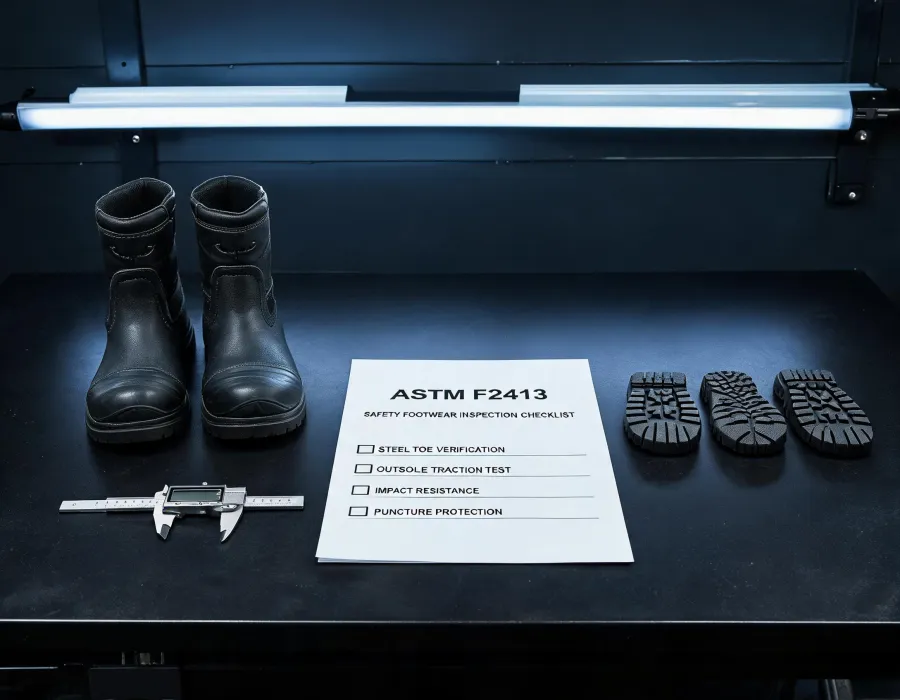
ABT-C founder narrative
Dunlop Protective Footwear is presented here as a focused B2B safety footwear partner for teams that buy rubber boots by exposure, not by guesswork. The brand story centers on disciplined product selection: wet floors, chemical splash, impact and compression, cold storage, food hygiene, and distributor replenishment all shape the boot program before a purchase order is placed.
The original problem behind industrial safety footwear is practical and stubborn. A plant can hold meetings about compliance, but if the boots are too heavy, crack early, grip poorly, or arrive in the wrong size curve, workers avoid them and supervisors lose trust in the program. Dunlop Protective Footwear responds to that reality with a minimal, specification-first approach. The conversation begins with floors, fluids, toe protection, metatarsal risk, temperature, cleaning, and reorder frequency.
Good safety boot selection is not a slogan. It is a controlled match between hazard, compound, sole, toe protection, fit, and supply continuity.
For EHS and purchasing teams, that control matters. ASTM F2413 I/75 C/75 language needs to be understood alongside EH labeling, EN ISO 20345 references, outsole performance, and the limitations of any rubber boot in real field use. A food plant may prioritize white waterproof boots and hygiene cleaning; a refinery may need oil resistance, chemical notes, and metatarsal coverage; a cold storage site may need insulation without sacrificing traction. Those distinctions are documented so distributors and site buyers can reorder with fewer substitutions.
The brand tone remains intentionally direct. Dunlop Protective Footwear avoids exaggerated safety promises and focuses on repeatable decision support: identify the exposure, narrow the boot family, confirm the size run, preserve the data sheet, and learn from field feedback. That is the kind of program that survives shift changes, branch turnover, and urgent replenishment requests.
Standards, exposure notes, and field constraints guide product shortlists before any style preference.
Size curves, calf profile, boot weight, and comfort are treated as adoption factors, not afterthoughts.
Preferred boots, alternates, and reorder points reduce emergency substitutions and inventory noise.
Claims stay narrow so EHS teams can understand what a boot can and cannot do in a given environment.
Community impact
Foot protection is often the PPE category people notice only when it fails. A missed size, a slick outsole, or a boot that traps heat can create daily frustration and encourage unsafe substitutions. Dunlop Protective Footwear focuses on programs that respect the worker's shift and the buyer's audit trail. That means compact training notes, cleaning expectations, and distributor communication that frontline supervisors can actually use.
Across food processing, utilities, construction, agriculture, chemical operations, and emergency response support, the brand's role is to make boot choice less mysterious. The program does not replace a site-specific risk assessment; it gives that assessment a clearer footwear path.
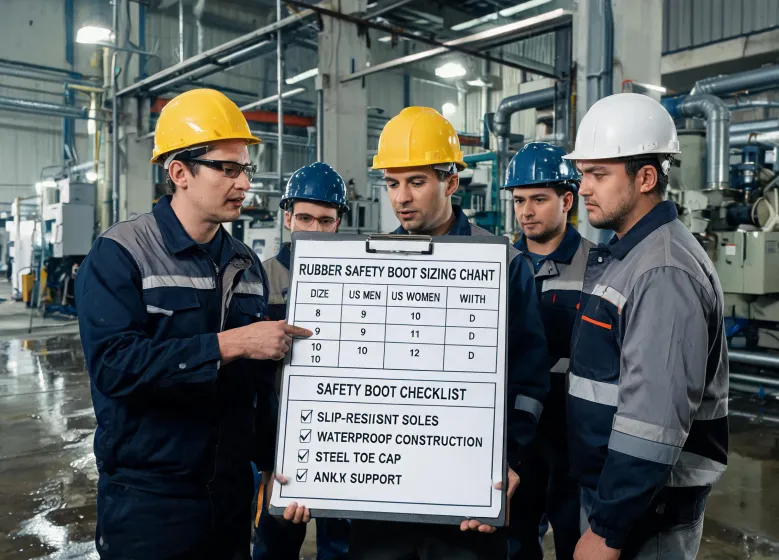
Send the worksite, exposure notes, and current product list. We will help organize a more controlled Dunlop Protective Footwear request.