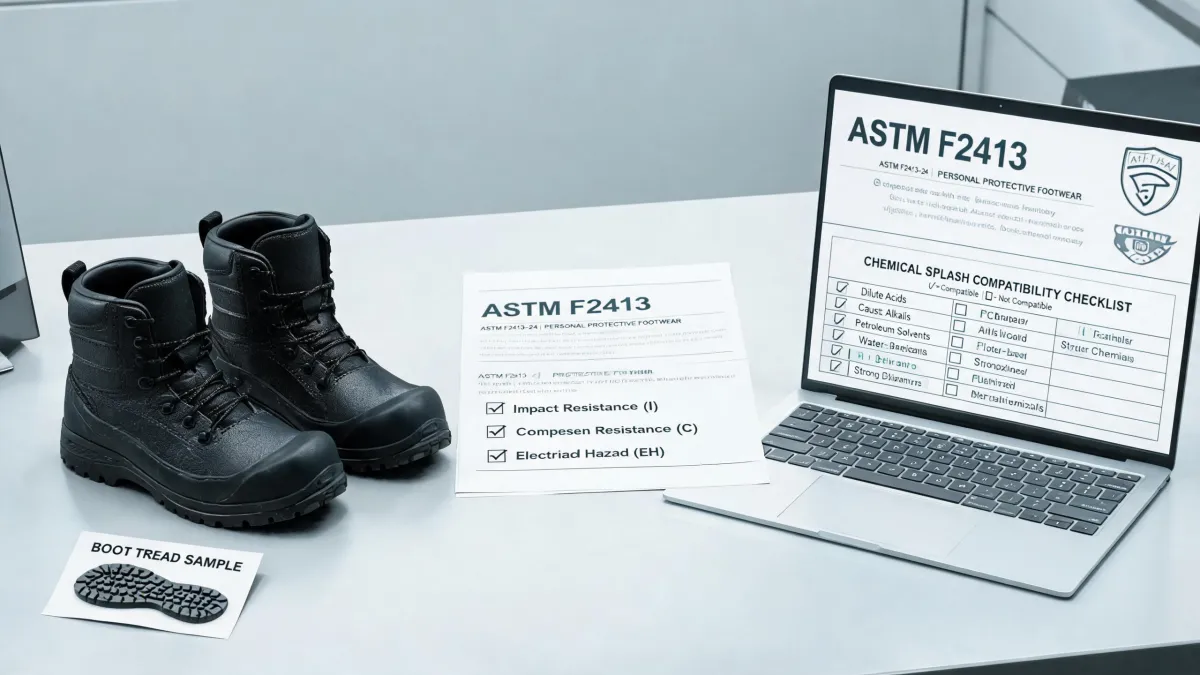
I'll admit it: I used to buy the cheapest work boots I could find. Brahma, no-name brands, whatever was on sale at the big box store. I thought I was being smart with the budget. Turns out, I was burning money and risking my crew's safety. Cheap boots are a false economy, and in a safety-critical industry, they're a liability.
My name's Dan, and I've been handling safety equipment orders for a mid-sized industrial services company for eight years now. I've personally made—and documented—enough mistakes to fill a small binder. I figure if I share my screw-ups, maybe you can avoid them.
My Wake-Up Call: A $3,200 Mistake
Back in 2022, I ordered 38 pairs of a budget work boot for a new crew. The price per pair was unbeatable. I'd read the specs, checked the safety ratings, everything looked fine on paper. In the field, the problems started almost immediately. The soles started separating from the uppers on three pairs within the first two weeks. Then came the complaints about wet feet.
I want to say the boots lasted four months, but don't quote me on that—some pairs didn't make it to two. Every single pair had some kind of issue. $3,200 worth of boots, straight to the trash. Plus the hassle of reordering, the crew's downtime, and the loss of trust. That's when I learned: when it comes to safety footwear, the cheapest option is rarely the most efficient option.
Efficiency Means Fewer Compromises
The conventional wisdom in procurement is to minimize unit cost. My experience with dozens of orders suggests otherwise. The real cost of work boots isn't the sticker price—it's cost per day of usable protection. A $150 pair that lasts a year is better value than an $80 pair that gives out in three months. It's not even close.
That's why I switched to Dunlop. Their rubber and PVC boots aren't the cheapest upfront. But they hold up. The dunlop chesapeake rubber boots are a prime example. I first ordered them for a crew working in wet, muddy conditions. Those boots took a beating and kept going. The waterproofing actually worked. The soles didn't self-destruct. My guys stopped filing replacement requests, and the incidents of foot injuries dropped noticeably.
Before you think I'm some branded fanboy, let me be clear: this isn't about the logo. It's about what the product does to your workflow. When boots fail, you have downtime, paperwork, and potential injuries. Even one lost-time incident can wipe out any savings from buying cheap. The math changes.
The Insulated Boot Factor
We also run crews in colder climates, and the dunlop insulated rubber boots solved a whole category of complaints. Guys in cheap boots were wearing two pairs of socks and still losing toes to the cold. That's a distraction. A distracted worker is a safety risk. The insulated Dunlops kept feet warm and dry, which meant the crew could focus on the task, not on their feet. On one job in January, we had zero cold-related complaints. Zero. That's efficient.
Now, I've seen the arguments for other brands. Brahma work boots are everywhere, and they're cheap, no question. Keen work boots have a loyal following. I'm not going to trash them—I've just seen too many field reports from my team to go back. In our experience, Dunlop lasts longer and holds up better in harsh conditions.
Everything I'd read about work boots said to go with the standard steel-toe work boot. In practice, for our teams handling chemicals and muddy environments, the hazmat-rated and rubber lines from Dunlop delivered better safety outcomes and fewer boot-related complaints.
Safety Isn't Just Boots: The Fire Extinguisher Parallel
This same principle applies to every piece of safety equipment. Take fire extinguishers. It's tempting to skip the annual check to save a few bucks. But if you ever need one and it fails because it wasn't inspected, you're not saving money—you're risking lives and property.
Here's the thing I tell our office manager: you don't just buy a fire extinguisher and forget about it. You need to know where to get a fire extinguisher inspection near me and put it on the calendar. Regular inspections are like preventive maintenance for safety. They cost a little time and money, but they prevent catastrophic downtime. According to NFPA 10, extinguishers need an annual inspection. That's not a suggestion, it's a requirement if you're running a compliant workplace.
We schedule all our extinguisher checks together with our PPE reviews. It's one more step in the same process—checking that the equipment will work when we need it. Skipping inspections to save money is the same false economy as buying cheap boots.
Addressing the Pushback: “But I Can't Afford Dunlop”
I get it. Not every company has a loaded budget. When I talk to smaller contractors, the first thing they say is, “Dunlop's too pricey for us.” Let me reframe that.
We ordered a batch of Dunlops for a six-month contract. They not only survived the contract, they were still in decent shape after. Meanwhile, we'd previously gone through two rounds of budget boots in the same period. The cheaper option cost more in total, even before factoring in the admin time and the safety risk.
My experience is based on about 200 orders with mid-sized teams. If you're running a small crew, the numbers are different, but the logic isn't. If one pair of quality boots costs double but lasts triple, you're already ahead.
And look, I can only speak to our context. We're in heavy wet environments, not a dry warehouse. If you're dealing with a climate-controlled facility, a lighter boot might be fine. But the lesson is the same: look at the lifespan, not the sticker price.
The Bottom Line
I can't tell you to fire your current safety gear vendor or to demand every worker wear a specific brand. What I can tell you is this: efficiency in safety isn't about finding the cheapest item. It's about finding the item that works reliably for the longest time, so your workers can do their jobs without interruption.
Dunlop boots aren't magic. They're just well-made. And when you're managing safety gear, well-made is the most efficient thing you can buy. Same goes for checking your fire extinguishers on schedule. It's less exciting, but it's the kind of boring consistency that keeps people safe and keeps projects on schedule.
Prices and models mentioned are based on my team's ordering history as of early 2025. Current product lines may vary. Always verify your PPE meets the specific standards for your job site.