It was a rainy Tuesday in March 2024, and I was standing in a puddle by our shop, watching a new hire try to dry his socks over a space heater. He hadn't been with us a month. His $45 boots already leaked through the seam. I knew right then that our boot-buying process was broken. That morning turned into a six-month search that ended with our whole field crew in Dunlop boots.
I manage procurement for a 28-person industrial maintenance company. My safety budget is about $120,000 a year, and footwear was eating way more of it than it should. For six years I'd tracked every order in a spreadsheet—not just the invoice total but the time between replacements, the repairs, the "I can't work because my feet are wet" days. I thought I was being smart by buying the cheapest steel toe boots in bulk. I wasn't.
The first problem: "waterproof" means different things to different people
We'd been using a no-name brand from a local store. Cheap pair, okay for a month, then the rubber cracked, the soles came apart, and the "waterproof" lining soaked through in about three months. I wrote it off as normal wear until I did the math over a year: five pairs per guy, average $50 a pair, plus about two lost days per guy because of wet feet. That's when I started searching for dunlop safety boots waterproof options.
Here's something vendors won't tell you: the first quote tells you about price, not about the boot. I emailed one supplier and wrote, "We need waterproof steel toe boots." He sent a price for a style with a steel toe but only a water-resistant membrane. We were using the same words but meaning different things. I found out when the first sample arrived and the tongue wasn't sealed. My crew stepped through morning dew and had wet socks by lunch. That one misunderstanding cost me two weeks and a $300 reshipping fee.
Now I ask three questions before buying any boot:
- Is the boot fully waterproof or just water-resistant? Dunlop's rubber boots are actually waterproof—the rubber itself is the barrier.
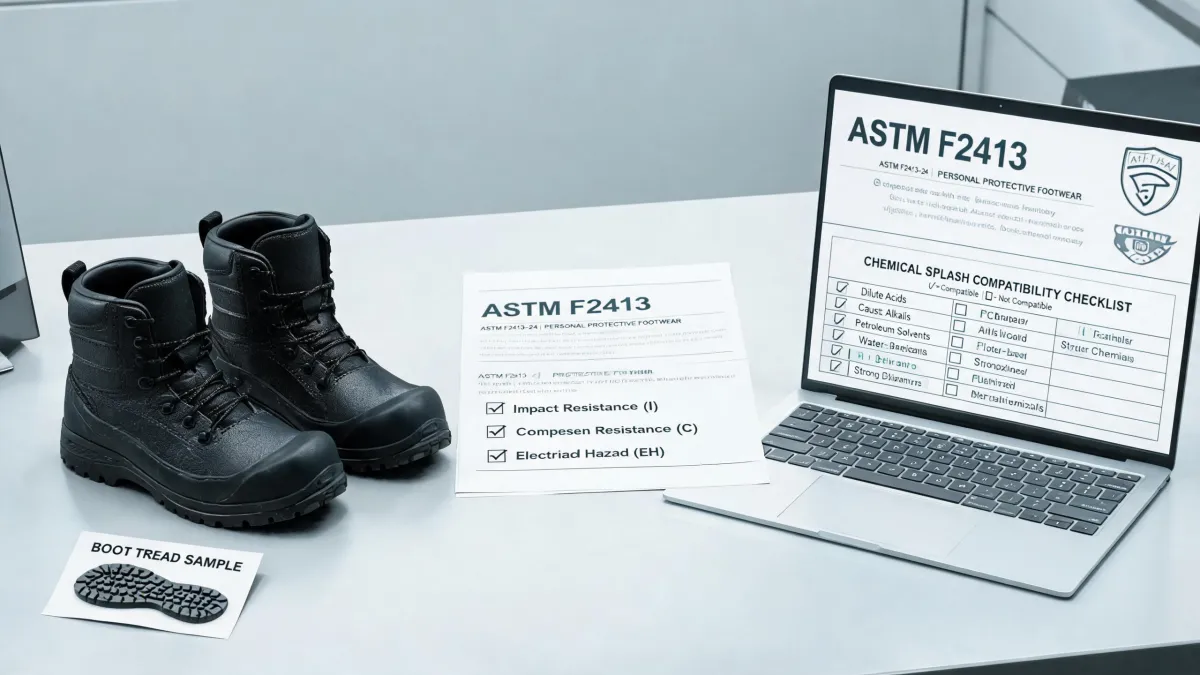
- Does it meet ASTM F2413-18 impact and compression standards, with the marking on the shaft?
- What does the warranty actually cover? Seam separation? Sole delamination? Or only manufacturing defects?
Why Dunlop won the comparison (it wasn't the cheapest)
I compared quotes from eight vendors over three months. Some were cheaper per pair. A couple were almost half the price. But when I ran the numbers on total cost—durability, waterproofing, safety certification, and how many pairs I'd actually need per year—Dunlop made sense.
The model that clicked for our crew was the Dunlop Safety On Site steel toe cap safety boots. They're not fancy. The finish is basic. But they're construction-grade rubber, the steel cap doesn't shift, and the sole is oil- and slip-resistant. We bought ten pairs for a thirty-day field trial. After a month, not one failed. With the old boots we'd already had two returns in that same period.
Part of me wanted to ignore Dunlop because the style hasn't changed much in years. On the other hand, that's the point. Boots aren't fashion. A design that's been working on job sites for decades is a design I can trust.
I also checked the Dunlop Avenger work boots. Those have a more modern look and a rubber overlay around the toe that handled kneeling and scraping better than I expected. Our mechanics liked them because oil didn't eat into the rubber. If I could give everyone a second pair, that's the one they'd ask for.
What about buying "work boots near me"?
I have mixed feelings about local stores. On one hand, they're great for getting the right fit. On the other, they often carry one model in sizes that happen to be on the shelf, and the price includes more markup. Last year one tech insisted on buying work boots near me and paid $40 more than the same pair cost online. The convenience was worth something, but not $40.
My compromise now: new hires still go to a local shop to get sized in the Dunlop model we carry. But for orders, I buy through the distributor. That gives us a local contact for warranty issues and better pricing for volume.
The other PPE lesson
During the boot search, I had to answer the question, "how does a welding helmet work?" for a new welder. He came from a shop where nobody checked the shade number, and he had almost flashed himself. It's the same prevention mindset: a steel toe is worthless if the boot falls apart, and a helmet is worthless if the lens isn't right.
That's why I'm okay spending more upfront on gear. If you catch a problem at the PPE stage, it costs you the price of good equipment. If you wait until after an injury or a lost day, it costs five times that. We didn't switch to Dunlop because they were the cheapest bid. We switched because the gear solved the root problems: wet feet, worn-out soles, and unreliable safety ratings.
What the numbers say now
After eight months with the Dunlop Safety On Site steel toe cap safety boots, our boot replacement rate has dropped about 60%. That's not a controlled study—it's one company, one crew, one set of conditions. But I track every invoice, and the trend is clear. I spent about $400 more on the initial order than I would have on the cheap brand. That extra cost was covered by not replacing six pairs in the winter and not paying for three wet-foot drive-home days.
If you're in charge of buying work boots for a team, here's what I'd tell you: the cheapest boot is the one you never have to buy twice. The most expensive boot is the one that fails on the job.
Five minutes of checking the specs beats five days of correcting the mistake. That's the rule I follow now.
I won't say Dunlop is the absolute best for every crew. If you need metatarsal guards, electrical hazard ratings, or something specialized, they make different models for that. But if you're tired of replacing boots and counting lost days, start the conversation with dunlop safety boots waterproof. Ask for a sample. Test it in the exact conditions your crew works in. Then compare total annual cost, not invoice price.
That rainy Tuesday in March turned out to be the cheapest lesson I ever got. The new hire kept his socks dry, and my spreadsheet finally stopped showing the same boot replacements over and over.