Don't Buy the Cheapest Dunlop Boots — Here's Why
If you're buying safety boots for a crew of 20, the cheapest pair you can find will likely cost you more in the long run. I've seen this play out too many times in quality inspections. The $50 boot that fails after three months isn't a bargain — it's a recurring expense disguised as a one-time saving.
I'm a quality and brand compliance manager for a mid-sized industrial safety distributor. I review roughly 200 unique boot models annually — from rubber work boots to steel toe, metatarsal, and hazmat-rated footwear. In Q1 2024 alone, I rejected 12% of first deliveries due to out-of-spec materials or construction flaws. So trust me when I say: the upfront price is rarely the full story.
Bottom line: you want Dunlop boots not because they're the cheapest, but because their total ownership cost tends to be lower — especially when you factor in durability, safety compliance, and replacement frequency. But even then, picking the right model matters more than picking the brand.
Why Total Cost of Ownership (TCO) Matters for Safety Boots
Here's the thing most buyers miss: the purchase price is just the beginning. TCO for work boots includes:
- Base product price
- Shipping and handling
- Replacement frequency (how long do they actually last?)
- Downtime cost when boots fail (injuries, lost work hours)
- Compliance risk (fines if boots don't meet OSHA or ANSI standards)
I once had a client who bought a bulk order of budget steel toe boots — saved about $10 per pair upfront. Within six months, nearly half the crew had blown out the seams or delaminated the soles. Replacement costs plus the overtime to cover the gap? They ended up spending about $35 more per worker than if they'd bought a mid-range Dunlop model from the start. That's the penny-wise-pound-foolish trap.
Put another way: price per wear matters. A boot that lasts 18 months at $120 is cheaper per day than a boot that lasts 4 months at $50.
What About Hazmat and Specialized Boots?
For chemical-resistant and hazmat boots (like the Dunlop Hazpro line), the stakes are even higher. A leak due to material fatigue isn't just an inconvenience — it's a safety incident waiting to happen. I've rejected entire batches where the rubber compound showed micro-cracking during flex testing, which would have been invisible to a casual inspection. That batch got returned. The client who almost bought the 'cheaper alternative' dodged a bullet (and a potential OSHA visit).
Honestly, I'm not sure why some models that fail basic standards still get marketed as industrial-grade. My best guess is that some vendors rely on minimum lab testing that doesn't replicate real-world conditions. In our Q1 audit this year, two brands out of eight had boots that passed initial puncture resistance but failed after 500 flex cycles. That's the kind of detail you don't get from a price tag.
Who Is Responsible for Training Workers on PPE?
This is a question that comes up every time we spec out a new boot order. The answer might surprise you: it's not just the employer. Under OSHA's General Duty Clause and 29 CFR 1910.132, the employer is responsible for hazard assessment, selection, and training workers on proper PPE use — which includes how to wear, care for, and inspect safety boots. But there's a nuance.
I've seen union contracts where the safety committee also takes active responsibility. And in practice, supervisors on the ground often do the actual instruction. The legal burden, though, falls squarely on the employer. If you're buying Dunlop boots for a crew, you should also budget for a 15-minute training session on: proper lacing, recognizing sole wear, cleaning chemical-resistant boots, and when to replace (hint: not when they 'look fine').
One caveat: if you're leasing workers through a temp agency, the host employer retains responsibility for the worksite conditions, but the staffing agency often provides the PPE. That's a gray area that's worth clarifying in contract language. I've seen both parties point fingers after an incident (unfortunately).
A Quick Note on Vans Work Boots and Tecovas Work Boots
You might see these brands pop up in search results alongside Dunlop. Vans and Tecovas make boots that look stylish — but they're generally not rated for industrial or hazmat environments. Vans work boots are more suited to light duty or lifestyle use. Tecovas, while quality western boots, don't typically carry steel toe or electrical hazard ratings. If your team needs real safety footwear, stick with brands that carry clear, third-party certifications. Your insurance adjuster will thank you.
Boundary Conditions: When Cheap Boots Actually Make Sense
I'm not saying you should never buy budget boots. There are scenarios where TCO flips:
- Short-term projects: A two-week construction job? Maybe you don't need 18-month durability.
- Guest workers: If you have temps for a single shift and the site doesn't require steel toes, a basic rubber boot could work.
- Low-risk environments: Clean, dry, light-duty settings (like retail stockrooms) can get away with cheaper gear.
But for hazardous materials, heavy machinery, or any environment where a boot failure could cost a lost-time injury? Spend the money on a reputable Dunlop model. The $80 you save upfront isn't worth the potential $22,000 in rework and legal fees (that's a real number from a case I reviewed in 2023).
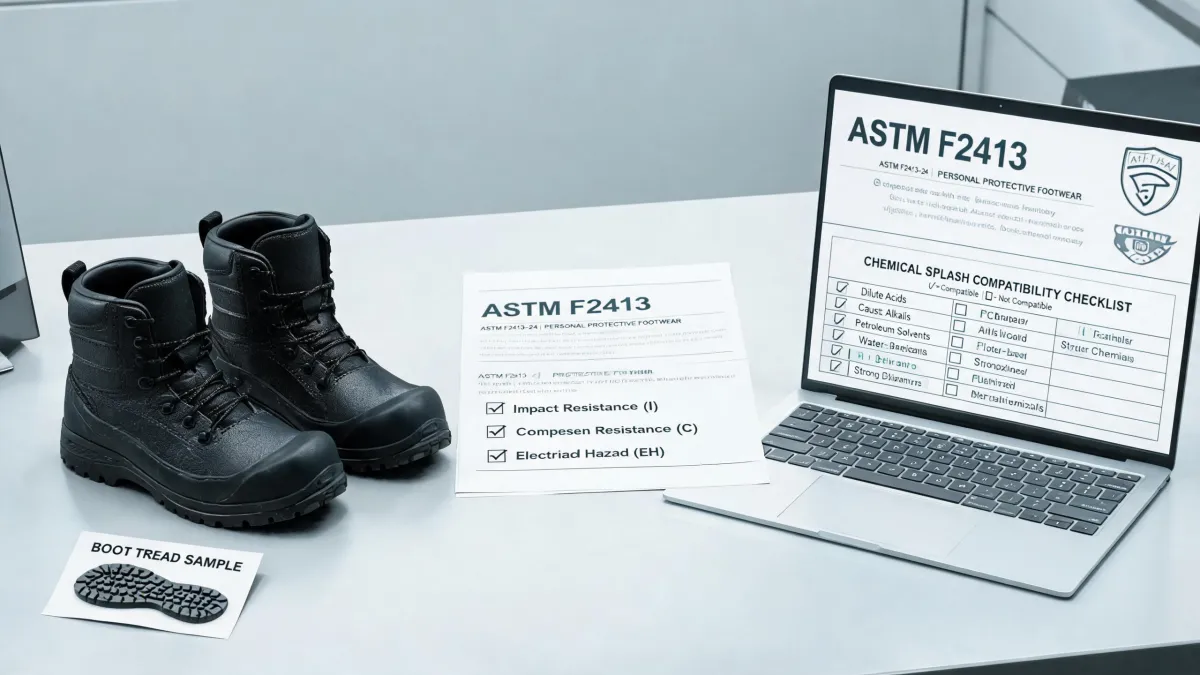
One last thing: always verify current pricing and certifications. Standards change (ASTM F2413 was updated in 2023 for impact resistance). I've seen boots certified to an older standard still sold as 'compliant' — technically true, but not ideal. Check the label, and if you're unsure, ask for the test report. Any supplier worth buying from will provide it.