It was 2:47 PM on a Thursday in March 2024 when my phone rang. The voice on the other end belonged to a safety manager at a mid-sized chemical processing plant. They had a hazmat training exercise scheduled for Saturday morning — 36 hours away — and their regular vendor had just told them the order wouldn't ship until Monday.
They needed 20 pairs of dunlop steel toe boots, specifically hazmat-rated, plus a dozen pairs of basic safety glasses and a few helmets. The manager was panicking. “We can’t cancel the drill. If we fail this compliance check, our insurer could raise rates by $50,000.”
In my role coordinating emergency equipment for industrial clients, I've handled a lot of rush orders — 47 last quarter alone, with 95% on-time delivery. But this one was tight. The first thing I did was check our internal stock (always keep a buffer? note to self: restock our Hazmat line). We had eight pairs of dunlop hazmat boots for sale in the warehouse, but needed 12 more.
The Hunt Begins
I started calling local safety distributors. Three places said they carried dunlop boots, but when I pressed for availability, two of them admitted they only had floor models. The third quoted a price — $89 per pair — but when I asked about delivery, they added a $15 per pair “rush processing fee” and $60 overnight shipping. Total suddenly jumped from $1,068 to $1,380. (That’s a 29% increase. Ugh.)
From the outside, it looks like vendors just need to work faster for rush orders. The reality is many hide essential costs until you’re committed. The quote seemed low, but the real cost only appeared after I asked “what’s NOT included?” That’s when I remembered a lesson I learned two years ago.
The Lesson That Cost $2,000
In my first year doing this, I made the classic rookie mistake: I chose a supplier based on base price alone for a 50-pair steel toe order. The boots arrived with a weld flaw — 12 pairs had delaminated soles. The vendor blamed our specs, refused a recall, and we had to rush-replace them from a different supplier. Total cost: original order ($1,200) + emergency replacement ($1,800) + lost labor hours. The cheaper option cost us nearly triple. I now ask two things upfront: certification documentation and a complete fee schedule.
The Dunlop Difference
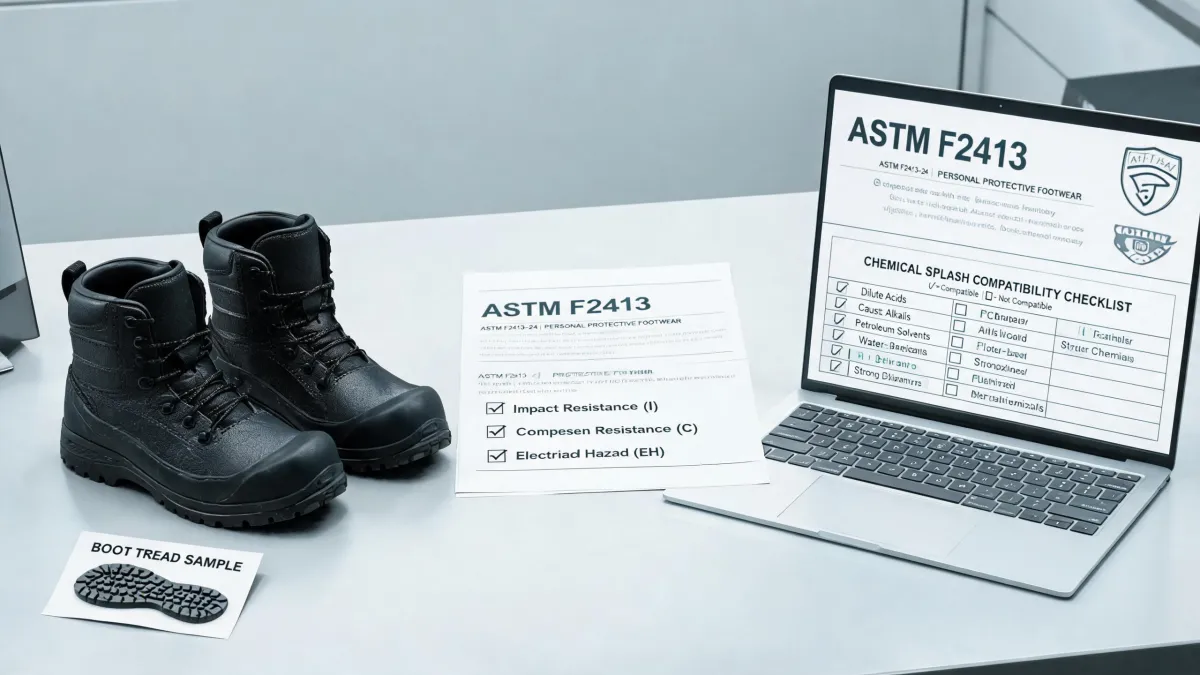
So I called Dunlop’s wholesale line directly. Their pricing was straightforward: $97 per pair for the FieldPro Hazmat boots, with a 24-hour rush option at +25% — all listed on their public PDF. No hidden setup fee. No “surprise” shipping markup. The total for 12 pairs: $1,164 base + $291 rush = $1,455, shipped overnight. Compare that to the local distributor’s $1,380 for 12 pairs of unknown brand — and Dunlop’s boots had ASTM F2413-18 and NFPA 1991 certifications. You can probably guess which choice I made.
It’s tempting to think all steel toe boots are the same. But the hazmat rating matters more than people assume. The “cheap” boots might be fine for a construction site, but in a chemical spill scenario, the wrong rubber compound can degrade in minutes. (I really should write that up as a whitepaper.)
A Side Note on Eye Protection
While finalizing the order, the client asked about safety goggles vs safety glasses for the drill. It’s a common question. In my experience, the choice depends on splash risk: standard safety glasses are fine for debris, but goggles with indirect ventilation are required for liquid chemicals. I sent them a quick comparison table from our internal training. They appreciated the clarity — and ordered 20 pairs of goggles from us as well. No hidden fees, because we listed the difference in price ($8 vs $14) right on the quote.
The Outcome
The boots arrived at 9:15 AM Friday — 21 hours after ordering. The client’s training went off without a hitch. Their compliance officer later told me the insurer’s audit found no gaps. $50,000 penalty avoided.
People assume the lowest quote means the vendor is more efficient. What they don’t see is which costs are being hidden or deferred. That day, the difference between a $1,164 order and a $1,380 order wasn’t $216 — it was peace of mind, guaranteed certification, and a relationship built on transparency.
What I Learned
If you’re searching for tactical boots near me or shopping for on cloud tactical boots for everyday use, you have more time to compare. But for emergency hazmat gear, dunlop boots have proven their worth — not just in quality, but in transparent pricing and reliable speed.
Three things to remember when you need safety boots fast:
- Get the total cost in writing BEFORE you commit — including rush fees, shipping, and any “handling” charges.
- Check certifications yourself. Don’t assume “steel toe” equals hazmat protection.
- Build a relationship with a supplier who lists all fees upfront — even if the total looks higher, it usually costs less in the end.
That Thursday afternoon taught me more than a dozen vendor meetings. Transparency isn’t just nice — it’s the difference between a crisis averted and a $2,000 mistake.