After tracking 1,400+ PPE orders over six years—totaling roughly $180,000 in cumulative spending—here's my bottom line: Dunlop rubber steel toe boots are the strongest value pick for muddy, wet, or chemical-heavy work environments, but they're not the right boot for every job. That caveat matters because I've made the mistake of assuming one boot could do it all. It cost us, literally.
Who I Am and Why My View Might Be Useful
I'm a procurement manager at a mid-size chemical processing company. I oversee our safety equipment budget (about $45,000 a year), negotiate with vendors, and track every single order in a cost system I built after getting burned on hidden fees twice. What I mean is that my view isn't based on a single bad pair of boots—it's based on years of comparing total cost of ownership, not just sticker prices.
Over six years, I've evaluated 40+ boot models, tested 8 vendors, and built a simple spreadsheet that tracks purchase price, replacement frequency, cleaning time, and downtime from foot injuries. The spreadsheet isn't fancy. It's just a way to make sure I'm not fooling myself.
The Short Answer: Are Dunlop Boots Good?
Yes, for specific conditions. The Dunlop safety on site steel toe cap safety boots and the classic dunlop rubber steel toe boots share a critical feature set that many alternatives don't: serious waterproofing, chemical resistance, and a price point that won't wreck your budget.
Why do they work so well in our environment? Let me break it down:
- Durability in wet/chemical conditions. The rubber compound holds up better than average leather boots when they're constantly exposed to water, mud, or diluted chemicals. We've seen leather boots start to degrade in six months; our Dunlop pairs often last twice that.
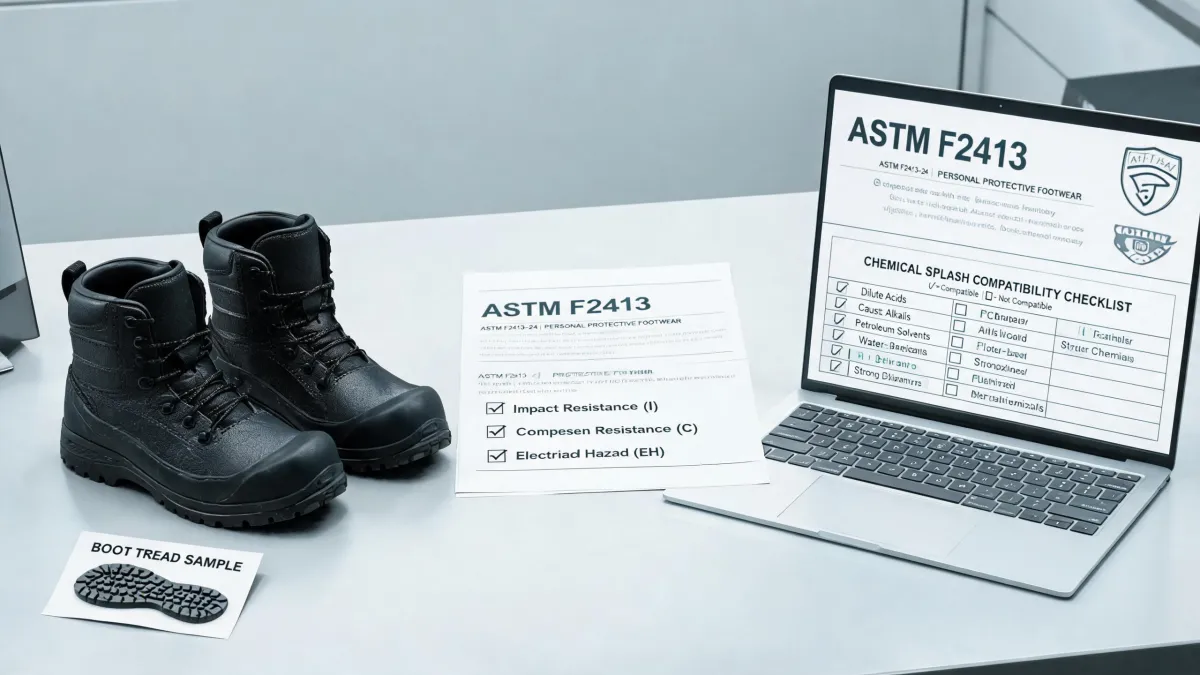
- Steel toe protection. The models we buy meet ASTM F2413-18 impact and compression standards. That's the bar we use for all PPE.
- Easy decontamination. Rubber cleans off faster than leather. That saves labor time and extends the useful life of the boot.
But if you're asking 'are ariat work boots good?'—they are. In fact, they're a great option for dry, all-day walking jobs. In our chemical plant, the Ariat boots we tested didn't hold up to chemical splashes; the leather soaked through. The Dunlop rubber did the job. That's not a knock on Ariat—it's a reminder that the best boot depends on the work site.
What a Total-Cost Analysis Reveals
Let me walk you through a real comparison. In Q2 2024, I compared quotes for 20 pairs of steel toe boots from three suppliers. Dunlop quoted us $87 per pair for the safety on site steel toe cap model. A competing brand came in at $72 per pair. I almost went with the cheaper option until I calculated total cost.
The hidden costs were real:
- Replacement rate: The competitor's boots lasted about 8 months in our conditions. Dunlop lasted 14.
- Cleaning time: Leather boots took about 6 minutes per pair to decontaminate. Rubber took 2.
- Downtime: Workers with wet feet were more likely to swap boots mid-shift, which meant 15 minutes of lost productivity each time.
When I spread that over a year, the Dunlop boots cost us about $14 less per worker per year. That's not a typo. The higher-priced boot was actually cheaper.
To be fair, the competitor's boots were more comfortable for the first two weeks. But after three months, the Dunlop boots were still going strong. We spent less on Dunlop over 12 months even though the initial price was higher. That's the thing—it's not about the upfront cost.
We also had a process gap here. For the first two years, we didn't have a formal replacement policy. Boots got replaced only when they visibly failed. That was a mistake. A cracked sole near a chemical zone is a serious issue. After one close call, I created a simple schedule: inspect every pair every 60 days, log the condition, and replace at the first sign of sidewall cracking. Now we replace about 30% fewer boots because we catch problems early.
How to Choose Between Dunlop and Other Brands
If you're wondering whether Dunlop boots are right for your crew, think about the environment first:
- Wet, muddy, or chemical-exposure environments: Dunlop rubber steel toe boots are your best bet.
- Dry, indoor, or mostly walking work: A breathable lace-up boot (like some Ariat models) will be more comfortable and lighter.
- Cold and wet: Look for Dunlop's insulated rubber boots with a steel toe cap.
- Electrical hazard zones: Make sure the boot is rated for electrical hazard work—don't assume a rubber boot is automatically safe.
This approach worked for us, but our situation is pretty focused. If you're a general contractor with multiple crew types, your boot matrix will look different.
Don't Forget the Rest of the PPE Package
A boot is just one line on the PPE budget. When you're putting together a package, don't overlook photochromic safety glasses. They darken when you step outside, which means workers don't have to swap lenses between indoor and outdoor tasks. They cost more than fixed-tint glasses, but the compliance payoff is real. We bought 30 pairs last year and the supervisor no longer has to chase people down for not wearing them.
And yes, earplugs. If you search 'earplugs near me,' you'll get local suppliers fast, but bulk online orders usually bring the price per pair down. We buy 500 at a time and save about 30% compared to local retail. Small line item, but it adds up over a year.
Bottom Line (With a Grain of Salt)
If you manage a team in wet, messy, or chemical environments, dunlop rubber steel toe boots are worth a serious look. If you're in a dry, moderate setting, you might be better served by a lighter boot. Take this with a grain of salt—my experience is from chemical processing, not roofing or landscaping.
Don't hold me to this, but I'd guess that about 70% of our problems with boots come from mismatched conditions, not from bad manufacturing. Choose based on your actual work site, not on what's trendy.
And when you're ordering, check the safety certifications yourself. Don't assume a boot is protection just because it says 'steel toe.' The label doesn't keep anyone safe; the right spec does.