It Started With a Batch of Bad Boots
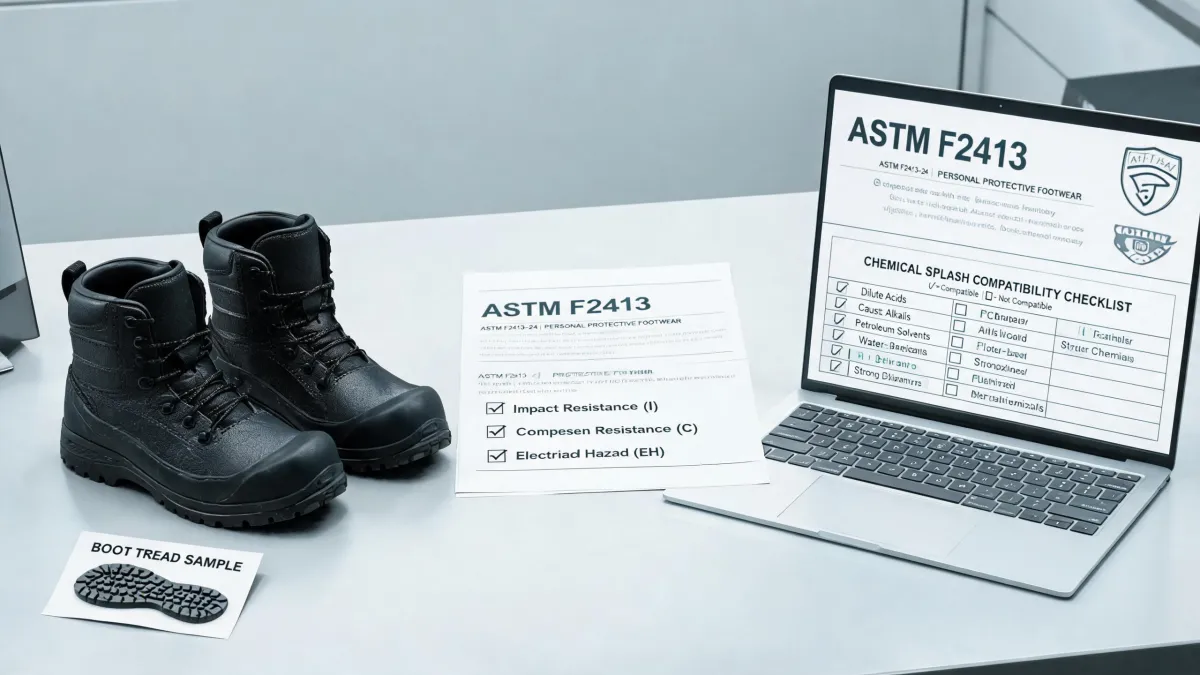
Back in Q3 2023, we received a shipment of 200 pairs of steel toe boots from a vendor I’d rather not name. The spec sheet said they were ASTM F2413-18 compliant. The reality? By week three, we had complaints about sole separation on 12 pairs. That’s a 6% failure rate within the first month. For a 50,000-unit annual order, that kind of failure is not a hiccup—it’s a signal.
I’m the quality manager at a mid-size industrial supply company. I review every safety item before it reaches our clients—roughly 200+ unique products a year. I’ve rejected about 14% of first deliveries in 2024 alone due to spec mismatches. So when I started seeing those boots come back, I knew we had a problem that went deeper than a single bad vendor.
The Moment I Realized We Needed a Better System
Honestly, I didn’t set out to standardize on one boot brand. I figured having multiple options—Merrell here, Keen there, a few pairs of Durango for the crew that liked the western look—would keep everyone happy. But what I didn’t account for was the training nightmare. If your safety manager has to check three different sole constructions, two different steel toe ratings, and four different waterproofing claims, something’s going to slip.
What most people don’t realize is that ‘waterproof’ isn’t a standard. A boot that’s waterproof for a light rain might fail after 15 minutes in a chemical washdown area. That’s a surface illusion. From the outside, it looks like all safety boots should protect your feet. The reality is that rubber boots and leather boots behave completely differently when exposed to solvents, acids, or petroleum-based chemicals.
And that’s where Dunlop changed the game for us.
What Dunlop Does That Others Don’t
Dunlop isn’t a jack-of-all-trades boot company. They specialize in rubber compounds. Their Hazmat line, for example, uses a specific nitrile rubber formulation that’s resistant to a lot of chemicals that would eat through standard PVC or polyurethane. I’m not a chemist, so I won’t pretend to explain the polymer science—but I can tell you this: after switching our chemical handling team to Dunlop Hazmat boots, we had zero complaints about boot degradation over a six-month trial. Zero.
We also tested their steel toe boots against three other brands in a blind fit test with 25 warehouse workers. 22 of them preferred the Dunlop fit for all-day wear. The two that didn’t? They usually wore custom orthotics, so your mileage may vary. But for a standard foot, the fit was noticeably better.
(I should mention: the cost difference wasn’t huge. We were paying about $85 per pair for the previous brand. Dunlop’s equivalent was $92. On a 500-unit order, that’s $3,500 extra—which we more than made up for in reduced replacement orders and fewer complaints.)
Here’s Where I Almost Messed Up
When we first started the transition, I almost made the classic mistake: I asked the procurement team to just ‘buy Dunlop boots’ without specifying the model. That’s like asking someone to ‘buy safety goggles’ without telling them if they need splash protection or impact rating. The Dunlop FieldPro is different from the Dunlop Hazmax Boot. The Purofort is different from the Steel Toe Rubber Boot. They’re all good—but for different jobs.
What worked for us was creating a simple matrix:
- Chemical handling / Hazmat zones: Dunlop Hazmax Boot (nitrile rubber, chemical-resistant)
- General warehousing / steel toe requirement: Dunlop Steel Toe Rubber Boot (basic protection, affordable)
- Cold storage / wet floors: Dunlop Purofort (insulated, non-slip)
- Metatarsal protection needed: Dunlop Metatarsal Guard Boot (specific safety rating)
That matrix saved us from a ton of confusion. I wish I had tracked the number of wrong-size orders before we implemented it. What I can say anecdotally is that our return rate for safety footwear dropped from roughly 11% to under 3% after we standardized.
The Real Cost of Getting It Wrong
I don’t have hard data on industry-wide foot injury rates, but I can tell you this: in 2022, we had a worker in our Hazmat area whose boot failed. The chemical seepage caused a minor burn that required a hospital visit. The boot? A brand that claimed ‘chemical resistance.’ The reality? It was tested against water-based solutions, not the solvent he stepped in. That incident cost us over $22,000 in medical fees, lost time, and insurance premium increases.
Per OSHA guidelines (osha.gov), employers must provide PPE that’s ‘adequate’ for the specific hazard. But ‘adequate’ is a low bar. If you’re running a facility that handles industrial chemicals, you don’t want ‘adequate.’ You want ‘purpose-built.’ That’s why I’ll pay the premium for a Dunlop Hazmat boot over a general-purpose boot every time.
Take This With a Grain of Salt
I’m not saying Dunlop is the right choice for every facility. If you’re running a construction site in Arizona, a lightweight leather boot might make more sense than a heavy rubber boot. The Dunlop line is heavy—there’s no getting around it. The Purofort boot weighs about 2.5 pounds per pair. For someone standing on concrete for 10 hours, that weight adds up.
But for chemical plants, food processing facilities, wastewater treatment, oil and gas, or any environment where liquids and sharp debris are the norm? I’d argue that a Dunlop boot is the safer choice. In my experience, the trade-off between weight and protection is worth it when the alternative is a chemical burn or a puncture wound.
Oh, and one more thing: if you’re buying Dunlop boots, make sure you check the sizing. They tend to run about a half-size small compared to US sizing. Order a half-size up, especially if you’re planning to wear thick socks. I learned that the hard way when I ordered 50 pairs of 9.5 and had to exchange half of them for 10s.
Final Thoughts
The boot brand you choose might seem like a minor decision. It’s not. It’s a line item on your safety audit, a factor in your workers’ comp risk, and a daily comfort issue for the people who actually wear them. I don’t have a perfect system, and I’ve made plenty of mistakes. But switching our core facility to Dunlop boots—after proper testing, fit checks, and model matching—was one of the better decisions I’ve made for our safety program.
If you’re currently dealing with boot failures, compliance headaches, or just unhappy workers, I’d recommend testing a pair of Dunlop Hazmat or Purofort boots before committing. A single test pair can tell you more than any spec sheet. That’s how we started, and it changed everything.